
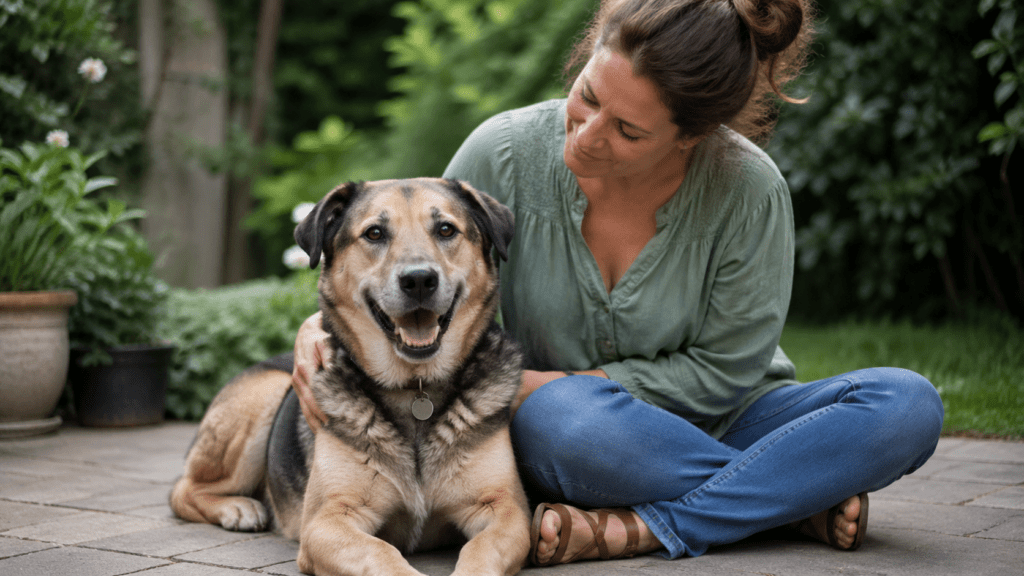
Rescue dog settling in can take time, patience and realistic expectations. Ralph, an 11-year-old rescue dog at Oakwood Dog Rescue, was adopted but returned after only 12 days because he was very nervous and needed more time to feel safe.
His story is sad, but it is also useful for many dog owners. A rescue dog may not understand a new home straight away. New people, new smells, new sounds and new routines can feel overwhelming, especially for a dog with a difficult past.
Quick answer:
- A rescue dog may need weeks or months to feel safe.
- Do not force affection, visitors or busy walks too soon.
- Use calm routines and reward-based training.
- Ask the rescue centre, vet or qualified behaviourist for help if problems grow.
Why Ralph’s story matters
According to Oakwood Dog Rescue, Ralph was rescued from a kill shelter in Romania in March 2021. He was adopted shortly afterwards, but returned after 12 days. The rescue says he was a very nervous dog who needed time to settle and feel safe.
Ralph is now 11 years old. Oakwood describes him as a large mixed-breed dog with moderate energy levels. He knows basic commands, but he is not yet lead trained. The rescue also explains that time alone in a home would need to be built up slowly so he can feel safe.
This does not mean Ralph is a “bad dog”. It means he is a dog who needs the right home, the right pace and the right support. Many rescue dogs are not starting from a clean page. Some have lived in kennels, some have moved between places, and some have never had a stable family home before.
The RSPCA explains that a new dog can take time to settle, especially if they have spent time in kennels or had a difficult start in life. Common early problems can include toileting accidents, whining at night or stress in the car.
How to help a rescue dog settle in
The first few days should be calm and simple. Your new dog does not need a house party, a long walk in a busy park or lots of visitors. They need safety, space and a predictable routine.
Dogs Trust advises letting an adult rescue dog settle at their own pace. Some dogs may hide at first or avoid interaction. This can be normal. Let the dog come to you when they are ready.
A good first setup includes:
- a quiet resting area,
- water available at all times,
- a comfortable bed,
- simple toilet breaks,
- short, calm walks if the dog is ready,
- no pressure to meet visitors,
- no forced cuddling.
Give the dog a safe space where they can rest without being disturbed. This could be a quiet room, a crate with the door open, or a calm corner with a bed. Children and visitors should understand that this space belongs to the dog.
Short walks are often better than long, exciting walks at the start. A nervous rescue dog may need time to understand the local area. Keep them secure on lead and avoid busy places until you know how they cope.
Build trust before training too much
Training matters, but trust comes first. A dog who feels unsafe may struggle to learn. Start with very small things: name response, gentle recall indoors, waiting calmly, or coming to you for a treat.
The PDSA recommends reward-based training. This means rewarding the behaviour you want, so the dog is more likely to repeat it. Rewards can be food, praise, toys or anything the dog enjoys.
Keep training sessions short. A few minutes is enough at first. Stop before the dog gets tired or frustrated. Use clear words and reward quickly when the dog gets it right.
Avoid punishment. Shouting, hitting, choke chains, fear-based tools or harsh corrections can make a nervous rescue dog more worried. They may also damage trust. A dog like Ralph needs to learn that people are safe and predictable.
Simple early exercises may include:
- rewarding eye contact,
- rewarding calm behaviour,
- teaching their name,
- practising “come” indoors,
- rewarding relaxed time on a bed,
- gentle lead practice in the garden or a quiet space.
Do not rush obedience. A rescue dog does not need to learn everything in the first week. They need to understand that the new home is safe.
Common mistakes with a newly adopted rescue dog
One common mistake is expecting love and confidence straight away. Some rescue dogs bond quickly. Others need much longer. A dog may seem distant, nervous or unsettled at first. That does not mean the adoption has failed.
Another mistake is giving the dog too much freedom too soon. A whole house can be confusing. Start with a small, safe area and slowly open up more space as the dog relaxes.
Busy introductions can also be a problem. Do not invite family, friends and neighbours to meet the dog immediately. Let the dog learn the people who live in the home first.
Some owners also try too many new things at once: new food, new walks, new toys, new training, new visitors and new rules. This can overwhelm a dog. Keep the first days boring in a good way.
The Blue Cross advises keeping dogs secure in a new home and using familiar items such as a bed, toys and water to help them settle. This idea is useful for rescue dogs too. Familiar smells and calm routines can help a dog feel safer.
Be careful with other pets and children
Not every rescue dog should live with other pets or young children. This is not a judgement. It is about safety and welfare.
Oakwood Dog Rescue says Ralph has enjoyed other dogs, but he has also warned other dogs away when he is around people he loves. Because of this, they do not plan to place him in a home where other dogs already live. They also say he is untested with cats and would not be placed with one.
This is a good reminder. A rescue centre’s advice should be taken seriously. If a dog needs a pet-free home, a quiet home or older children only, that guidance is there for a reason.
Slow introductions matter. Watch body language carefully. If you see growling, freezing, guarding, repeated barking, snapping or strong fear, stop and ask for help from a qualified dog behaviourist.
When to get professional help
Ask for help early if your rescue dog is very fearful, guarding people or objects, growling, snapping, biting, panicking when left alone, or unable to relax at home.
You can speak to:
- the rescue centre,
- your vet,
- a qualified dog trainer,
- a qualified dog behaviourist.
Dogs Trust explains on its post-adoption support page that adopters should ask for help with training or behaviour concerns instead of waiting for problems to grow. This is a sensible approach for any rescue dog.
A vet check is also wise if behaviour changes suddenly. Pain, illness or discomfort can affect behaviour. Training should never replace veterinary care when a dog may be unwell.
A kind way to look at rescue dogs
Ralph’s story shows why rescue dogs need time, not pressure. A dog may be nervous because life has been confusing. They may need quiet days, gentle handling and a person who does not expect quick results.
The best start is simple: calm home, safe space, short routines, patient training and support when needed.
A rescue dog is not a project to fix in a week. They are a living animal learning whether this new life is safe. Give them time to believe it.