
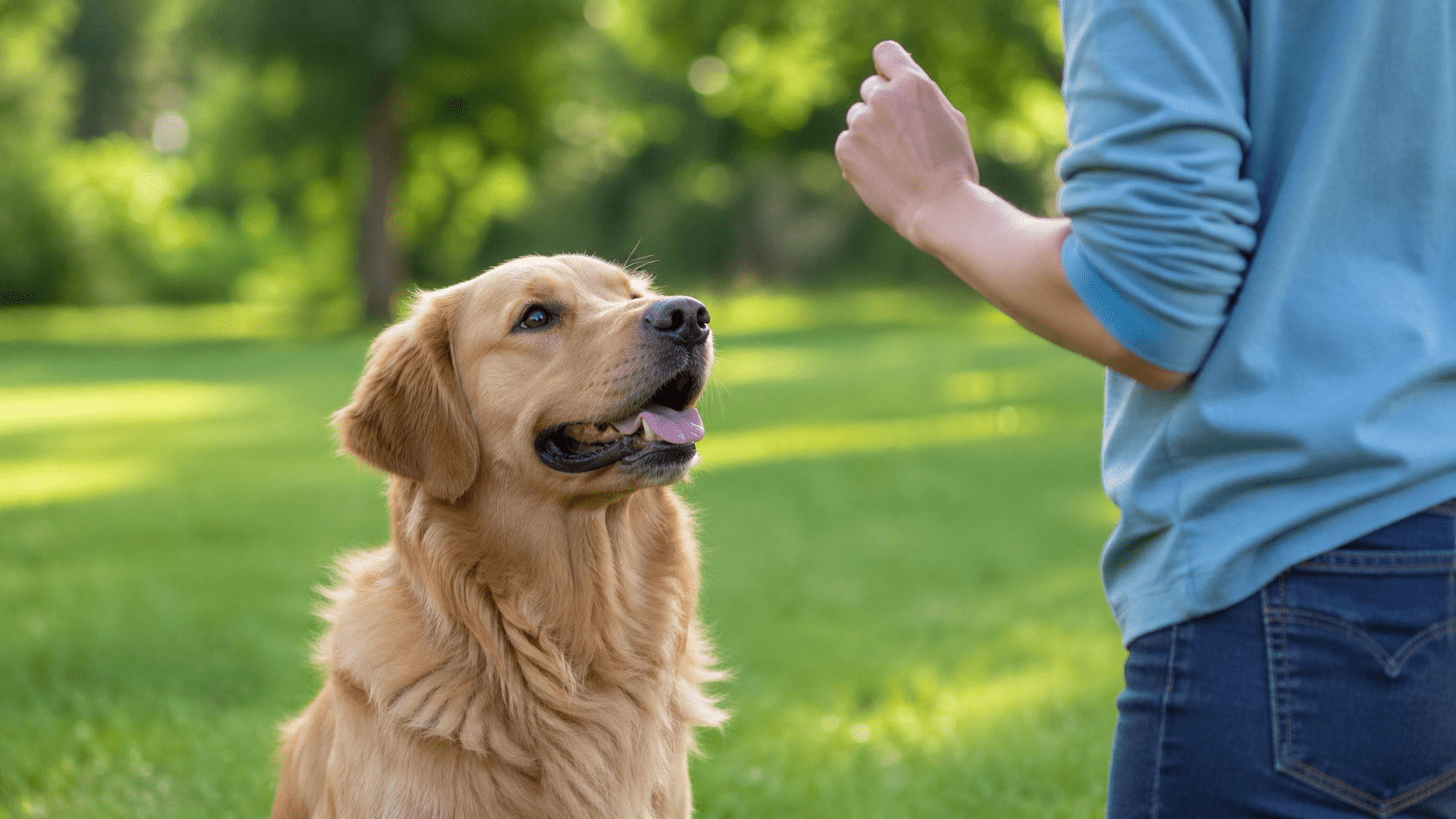

Cute dog facts are not only fun. Many of the sweet things dogs do can also tell us something about how they feel, how they learn, and how they communicate with people.
A cute dog may tilt its head, wag its tail, roll over for a belly rub, or look at you with soft eyes. These moments can make us smile, but they can also help us become better dog owners when we understand them in the right way.
Quick answer:
- Dogs use their whole body to communicate.
- A wagging tail does not always mean a dog is happy.
- Head tilting may be linked with attention and listening.
- Sniffing is one of the most important ways dogs explore the world.
- Cute behaviour should still be read with care and context.
Why cute dog behaviour matters
A lot of dog behaviour looks cute to humans. A dog may sit with one paw lifted, tilt their head, give a play bow, or curl up beside you. These behaviours can feel simple, but dogs often use body language to show how they feel.
The RSPCA explains that dogs communicate through their eyes, ears, mouth, tail, posture and movement. A relaxed dog may have a soft body, relaxed ears and an open mouth, while a worried dog may show a tucked tail, lowered body, yawning, lip licking or avoiding eye contact.
This is why cute dog facts should not be treated as just entertainment. They can help owners notice when their dog is happy, excited, unsure, stressed or asking for space.
Cute dog facts about body language
One of the sweetest things about dogs is how expressive they are. Their ears, eyes, mouth, tail and body position often work together.
The PDSA says signs of a happy dog may include a waggy tail, relaxed ears, a relaxed body and playful behaviour. But the full picture matters. A dog with a loose body and soft face is very different from a dog with a stiff body, tense face and fast tail movement.
Here are a few simple examples:
- A loose, wiggly body often shows comfort or excitement.
- A play bow, with front legs low and back end raised, often means the dog wants to play.
- Soft eyes and relaxed ears can be signs that a dog feels safe.
- Lip licking, yawning, turning away or freezing can show worry or stress.
Blue Cross also warns that stress signs can include backing away, a tucked tail, cowering, trembling, appetite changes or tummy problems. Some of these signs can also be linked with health problems, so owners should speak to a vet if they are worried.
Why dogs tilt their heads
The head tilt is one of the classic cute dog moments. Many owners see it when they speak to their dog, say a familiar word, or make an unusual sound.
Research on dog head tilting is still limited, but one study published in Animal Cognition looked at dogs during object-label tests. The researchers suggested that head tilts may be linked with attention and mental processing, especially when some dogs heard familiar toy names.
This does not mean every head tilt proves a dog understands every word. A dog may tilt their head because they are listening, focusing, trying to understand a sound, or reacting to your voice.
A short head tilt can be normal and harmless. But if a dog keeps tilting their head, seems dizzy, loses balance, has ear pain, shakes their head often, or seems unwell, that is not just cute behaviour. In that case, speak to a vet.
Why dogs sniff everything
Dogs do not explore the world in the same way humans do. We often look first. Dogs sniff first.
VCA Animal Hospitals explains that dogs have more than 100 million sensory receptor sites in the nose, compared with about 6 million in people. The part of the dog’s brain used to analyse smells is also much larger than the human equivalent.
This is why a simple walk can be full of information for your dog. A lamppost, patch of grass, tree trunk or doorway may hold many scent messages.
Letting your dog sniff safely on walks can be a good form of mental activity. It can help them explore, slow down and enjoy their environment. For many dogs, a walk with time to sniff is more satisfying than a rushed walk where they are pulled past every interesting smell.
Why dogs make “puppy dog eyes”
Many owners find it hard to resist a dog’s soft face and raised eyebrows. There is also interesting science behind this expression.
A 2019 study in PNAS found that domestication changed some facial muscles in dogs compared with wolves. The study reported that dogs have facial anatomy that helps them raise their inner eyebrows, creating the well-known “puppy dog eyes” look.
This does not mean dogs are always trying to manipulate people. A dog’s face is part of their communication. Humans are also very sensitive to eye contact and facial expression, so we often respond strongly to these looks.
There is also research showing that mutual gaze between dogs and owners can be linked with oxytocin, a hormone involved in social bonding. A study published in Science found that gazing behaviour from dogs increased oxytocin in owners and supported social interaction between dogs and humans.
Do dogs dream?
Many owners have seen a sleeping dog twitch, move their paws, make small sounds or wag their tail. It can look as if the dog is dreaming.
The American Kennel Club explains that scientists believe dogs do dream and may replay parts of their daily life during sleep. The exact content of a dog’s dream is not something we can know for sure, but sleep movement is common in many dogs.
It is usually best to let a sleeping dog rest. If your dog seems upset during sleep, avoid suddenly touching or shaking them awake. A startled dog may react without meaning to. If you are concerned about unusual sleep behaviour, seizures, pain, confusion or big changes in sleep, speak to a vet.
Practical ways to use these cute dog facts
Cute dog facts are most useful when they help you care for your dog better.
Give your dog time to sniff on walks. Use calm praise when they check in with you. Watch their full body, not only their tail. Notice what helps them relax. Keep training short, kind and clear.
The RSPCA advises that dog training should be reward based. This means giving the dog something they enjoy, such as food, toys or praise, when they show the behaviour you want. This makes the behaviour more likely to happen again.
The PDSA also supports reward-based training and says punishment, shouting, hitting, choke chains and fear-based methods can cause anxiety and make learning harder.
Simple reward-based ideas include:
- reward your dog for looking back at you on walks,
- praise calm behaviour around the home,
- give treats for coming when called,
- use toys or food to make training enjoyable,
- stop and give space if your dog looks worried.
Common mistakes to avoid
A common mistake is reading one signal on its own. A wagging tail does not always mean “happy”. A dog can wag their tail when excited, unsure, tense or stressed. Look at the whole dog.
Another mistake is calling every cute behaviour “funny” without checking how the dog feels. A dog showing the whites of their eyes, licking their lips, yawning, freezing or turning away may be asking for space.
It is also a mistake to force contact. Not every dog wants hugs, face-to-face contact, or hands reaching over their head. Many dogs prefer calm touch on the chest or side, and some dogs need more space.
When to get professional help
Most cute dog behaviours are normal. But some signs need care.
Speak to a vet if your dog shows sudden behaviour changes, pain, repeated head tilting, balance problems, appetite changes, sleep changes, or signs that something is physically wrong.
Ask a qualified dog trainer or qualified dog behaviourist for help if your dog shows strong fear, aggression, repeated growling, snapping, biting, severe anxiety, or behaviour that could put people or animals at risk. The RSPCA advises contacting a vet first if you are concerned about behaviour, as health issues can sometimes affect how a dog behaves.
A final helpful note for dog owners
A cute dog is not only cute. Your dog is always learning, feeling and communicating.
The more you understand small signals, the easier it becomes to build trust. Watch your dog with patience. Reward the behaviour you like. Give them space when they need it. Those small everyday moments can make life calmer, safer and happier for both of you.
