
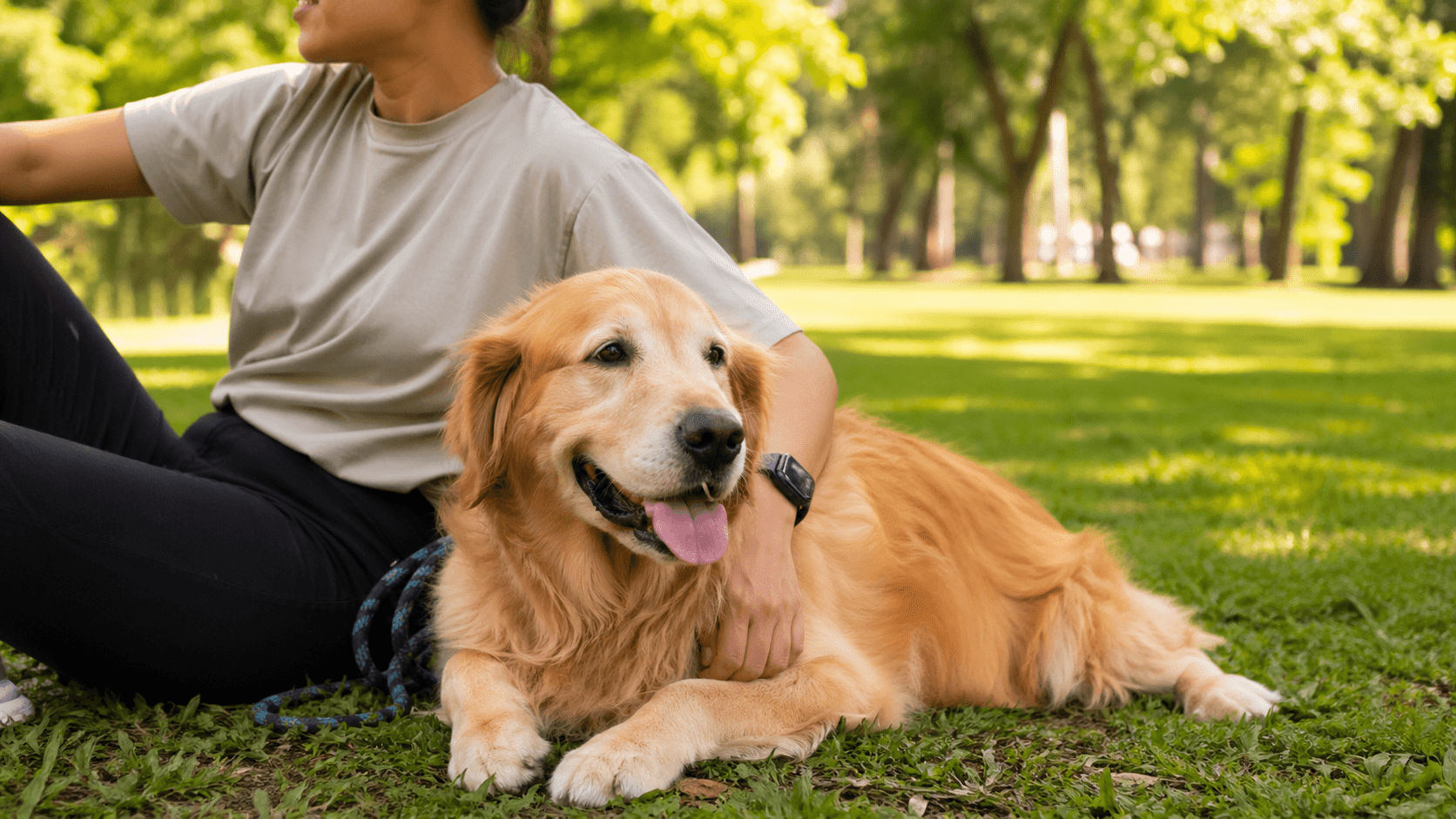

Alpha dog training is an old idea that says you must be the “boss” of your dog. Modern dog welfare organisations now explain that this way of thinking is misleading and can lead to harsh training methods.
Many dogs do not need a stronger owner. They need clear guidance, safe routines, rewards, patience and training they can understand. The aim is not to win a power battle with your dog. The aim is to help your dog learn what behaviour works in everyday life.
Quick answer:
- You do not need to be “alpha” to train your dog.
- Dominance theory is outdated and can lead to poor advice.
- Reward-based training is safer and easier for dogs to understand.
- If your dog shows aggression, fear or sudden behaviour changes, speak to a vet or qualified behaviourist.
Why alpha dog training is misleading
The idea of the “alpha dog” comes from old thinking about wolves and social rank. Dogs Trust explains that dominance theory is an outdated and debunked theory of dog behaviour. It says the theory wrongly suggests dogs are trying to gain higher status over people or other dogs.
Dogs Trust also explains that the old theory was linked to early research on unrelated wolves living in captivity. These wolves were in an unnatural setting with limited resources. That is very different from how wild wolves live and very different from how pet dogs live with people.
Dogs are social animals, but that does not mean they spend their day trying to control the house. A dog that jumps up, pulls on the lead, barks, steals food or ignores recall is not always trying to be “dominant”. Often, the dog has learned that the behaviour works, is overexcited, is worried, lacks training, or has not yet understood what you want.
The PDSA also says it is a myth that some dogs always want to be dominant and that owners must be the “leader of the pack”. The PDSA explains that dogs need to trust you and understand your commands, not see you as more dominant.
What can go wrong with alpha dog training
Alpha-based advice can push owners towards methods such as shouting, pinning a dog down, forcing a dog into position or using harsh equipment. Dogs Trust warns that physical force, shouting, choke chains and electric shock collars can scare dogs, damage trust and make behaviour worse.
The RSPCA Knowledgebase says dominance-based training may include “alpha rolls”, staring a dog down and other confrontational methods. It explains that these methods can cause fear, pain and distress, and that dominance training methods are not scientifically proven to be effective.
This matters because fear is not a good base for learning. A scared dog may stop doing something in the moment, but that does not mean the dog feels safe or understands what to do instead. In some cases, pressure can make a dog more defensive.
A better question is not, “How do I show my dog who is boss?” A better question is, “What is my dog learning from this situation, and what behaviour can I teach instead?”
Use reward-based dog training instead
Reward-based dog training means you reward the behaviour you want to see again. The reward might be food, praise, a toy, a game, sniffing time, or access to something your dog enjoys.
The PDSA describes reward-based training, also called positive reinforcement, as the kindest and most effective method. It explains that training helps keep your dog’s mind active and helps you bond and understand each other.
Blue Cross also recommends positive reward-based training and says it does not advise aversive equipment or methods. Blue Cross explains that dogs learn best when they are not stressed, worried, uncomfortable or scared.
Here is a simple example. If your dog jumps up at visitors, do not think, “My dog is trying to dominate the guest.” Think, “My dog is excited and jumping gets attention.” You can teach a calmer behaviour, such as sitting or keeping four paws on the floor, then reward that behaviour.
Battersea gives a similar idea: dogs learn by making positive associations. If a dog is rewarded for sitting, the dog is more likely to repeat sitting. Battersea also suggests teaching an alternative behaviour when you cannot simply ignore an unwanted one.
Practical dog training tips for everyday life
Start with simple rules. Decide what you want your dog to do, not only what you want them to stop doing.
For example:
- Instead of jumping up: teach “sit” or “four paws on the floor”.
- Instead of pulling towards another dog: reward checking in with you.
- Instead of barking for food: reward lying on a mat.
- Instead of stealing items: teach “leave it” and “drop”.
Use rewards your dog really likes. Some dogs love food. Some prefer toys. Some enjoy praise, gentle touch or being allowed to sniff. Dogs Trust explains that different dogs find different things rewarding, and the right reward may change depending on the situation.
Timing also matters. Reward your dog as soon as they do the right thing. If the reward comes too late, your dog may not understand which action earned it.
Keep sessions short. A few minutes of calm, clear training is often better than one long session where both owner and dog become frustrated.
Train in easy places first. Start at home or in a quiet garden. Then practise in slightly harder places. A dog that can sit in the kitchen may not be ready to do the same beside a busy road, near children, or around other dogs.
Common mistakes to avoid
One common mistake is labelling every unwanted behaviour as dominance. This can stop owners from seeing the real reason behind the behaviour. A dog may pull because the walk is exciting. A dog may growl because they feel unsafe. A dog may guard food because they are worried about losing it.
Another mistake is using punishment before teaching the dog what to do instead. If your dog does not understand the safe behaviour you want, punishment only adds stress.
Avoid advice that tells you to scare, force or “break” your dog. Good training should help your dog feel clearer and safer, not confused or afraid.
Also be careful with people who promise instant results. Dogs are individuals. Learning takes repetition, calm handling and realistic expectations.
When to get professional help
If your dog shows aggression, strong fear, growling, snapping, biting, sudden behaviour changes or behaviour that feels unsafe, do not try to fix it by “being alpha”.
The RSPCA says aggression can be a sign that a dog is unwell, so a vet check is essential. If the dog is healthy, the vet can refer you to a qualified and experienced dog behaviourist.
Dogs Trust also explains that trainers and behaviourists have different roles. Trainers can help with everyday skills, while behaviourists help with more emotional problems such as anxiety, fear and frustration. Dogs Trust advises speaking to a vet first if there is a concerning change in behaviour.
This is not a failure. Getting help early can protect your dog, your family and other people or animals.
A better way to see your dog
Your dog does not need you to act like an alpha. Your dog needs you to be clear, calm, fair and consistent.
Good training is not about control through fear. It is about teaching your dog which choices are safe and rewarding. When your dog trusts you and understands what you are asking, everyday life becomes easier for both of you.
Start small. Reward good choices. Avoid harsh methods. Ask for help when behaviour feels serious or unsafe.
That is a much better foundation than the old alpha dog idea.
