
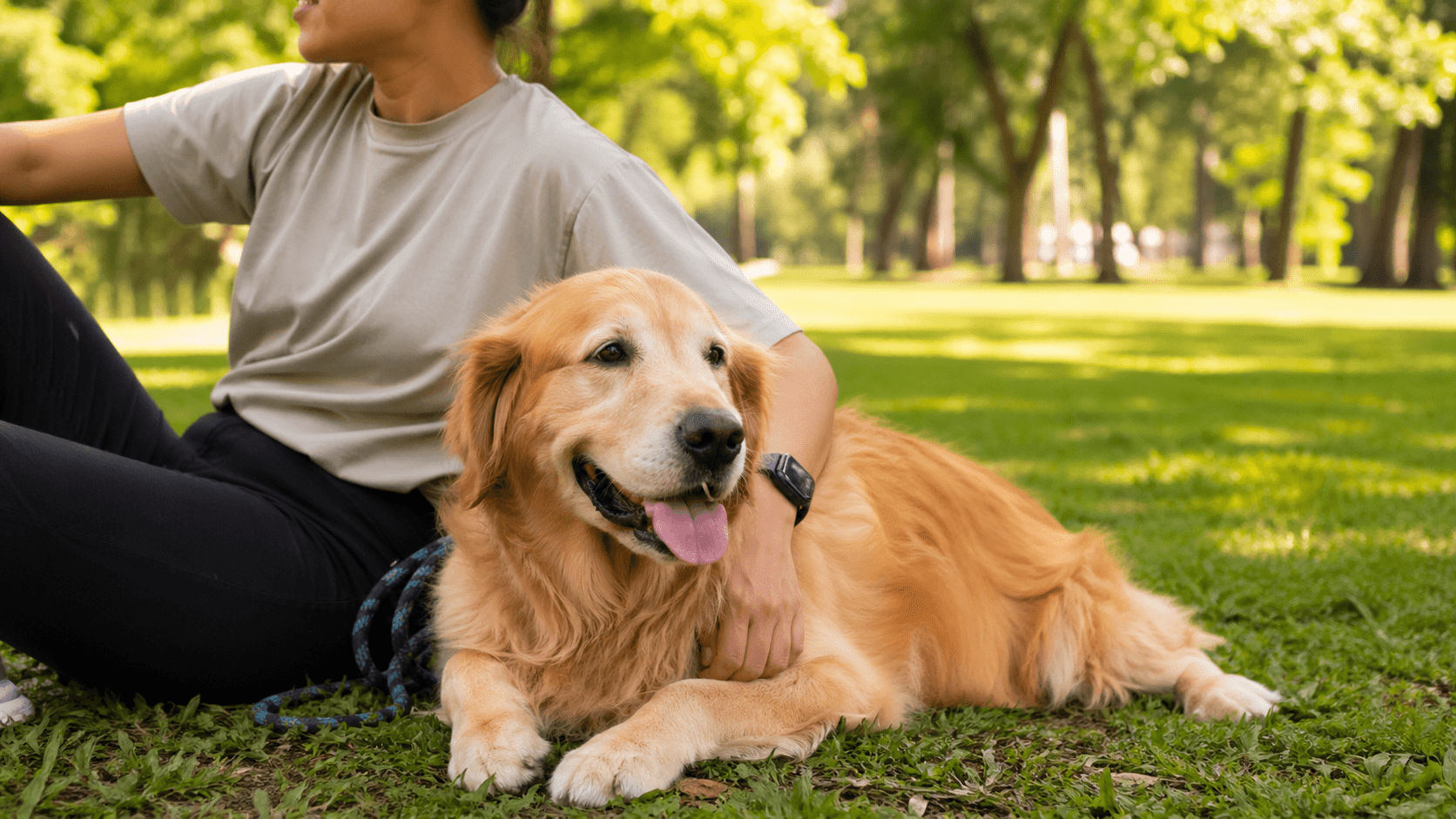

Low energy dog breeds can be a good choice for people who want a calmer companion. But “low energy” does not mean “no exercise”, “easy dog”, or “can be left alone all day”.
A calm dog still needs daily walks, gentle training, company, play, and mental stimulation. The right breed can help, but the right match also depends on the dog’s age, health, personality, and your daily routine.
Quick answer:
- Low energy dog breeds may suit quieter homes.
- Every dog still needs daily exercise and attention.
- Some calm-looking breeds have serious health or grooming needs.
- Sudden low energy can be a health warning, not a personality trait.
What does “low energy dog breed” really mean?
Low energy usually means a dog is less likely to need long runs, intense sport, or hours of fast activity every day. These dogs may prefer slower walks, short play sessions, sniffing, resting near their owner, and a steady home routine.
That does not mean they do nothing. According to the PDSA, the amount of exercise a dog needs depends on breed, age, health, fitness, and personality. Most dogs still need daily walks, unless a vet gives different advice.
The RSPCA also explains that dogs need regular exercise, chances to walk and run, safe toys, and play with people or friendly dogs to stay fit and stimulated.
So it is better to think in this way: a low energy dog may need gentler activity, not no activity.
Low energy dog breeds that may suit calmer homes
There is no perfect list that works for every family. Individual dogs can be very different, even within the same breed. Still, some breeds or breed groups are often more suitable for people who want a calmer lifestyle.
Greyhound
Greyhounds can surprise people. They are fast dogs, but many are not high-energy all day. The PDSA says Greyhounds are not overly energetic and usually need about an hour of exercise daily, often with chances for short runs in safe areas. They also have a strong chase instinct, so safe handling is important.
Shih Tzu
A Shih Tzu can suit many quieter homes, but it still needs care. The PDSA says Shih Tzus need around an hour of exercise every day, split into shorter walks, with time to sniff, play, and use their brain. Puzzle toys and short training sessions can help keep them happy.
Cavalier King Charles Spaniel
Cavaliers are often friendly and adaptable, but they are not a “no effort” dog. The PDSA advises at least one hour of exercise a day, split into walks, with play and training to keep them active and engaged.
Basset Hound
Basset Hounds may look slow and relaxed, but they are scent hounds. The PDSA says they need a minimum of one hour of exercise a day, including walks, playtime, and training. Scent games can be a very good match for their natural instincts.
Toy breeds
Some toy breeds may need less intense exercise than working or sporting breeds. The PDSA explains that toy breeds are often friendly companion dogs and often do not need a great deal of exercise, although they still need proper care, walks, and attention.
Bulldogs and flat-faced breeds
Bulldogs, French Bulldogs, and Pugs are often seen as calm dogs. But they need special care because flat-faced dogs can struggle with breathing, heat, and exercise. The PDSA says Bulldogs need up to an hour of exercise daily, but they should not be exercised in the heat of the day because they are prone to overheating. The PDSA also warns that flat-faced dogs may struggle with long exercise sessions or high-energy activities and need time to recover their breath.
How to choose the right calm dog for your lifestyle
Start with your real routine, not an ideal version of your life. Ask yourself:
- How much time can I give to walks every day?
- Can I offer company and attention?
- Do I want a puppy, adult dog, or older dog?
- Can I manage grooming costs?
- Can I afford vet care and insurance?
- Do I have children, cats, or other dogs at home?
The Blue Cross advises people to research breed differences carefully before choosing a dog. A terrier, herding breed, guarding breed, toy breed, or hound can have very different needs and behaviour traits.
An older rescue dog can also be a good option for some homes. Many adult dogs already show their real personality, energy level, and habits more clearly than puppies. A good rescue centre can help match a dog to your home and experience level.
Low energy does not mean low responsibility
A calm dog still needs structure. Many behaviour problems start when a dog is bored, lonely, under-stimulated, or confused about what is expected.
For a lower-energy dog, a good day may include:
- one or two gentle walks,
- sniffing time outside,
- short reward-based training,
- food puzzles or scent games,
- calm rest,
- toilet breaks,
- time with the family.
Training does not need to be hard or intense. Simple skills like coming when called indoors, walking calmly on a lead, settling on a mat, and waiting before meals can make daily life easier.
Short sessions often work best. Five minutes of calm training can be more useful than a long session where the dog becomes tired or frustrated.
Common mistakes to avoid with low energy dog breeds
One common mistake is choosing a breed only because it looks calm. Some calm-looking dogs have strong instincts. A Basset Hound may follow scents. A Greyhound may chase small moving animals. A toy breed may still bark, worry, or dislike being handled roughly.
Another mistake is thinking a small dog needs no training. Small dogs still need socialisation, confidence, boundaries, and kind handling. They are not toys, and they should not be expected to cope with everything just because they are easy to pick up.
A third mistake is ignoring health. If a dog suddenly becomes tired, slow, or unwilling to walk, this may not be normal calm behaviour. The PDSA advises contacting a vet if a dog seems low in energy or not quite themselves, because low energy can have many causes.
It is also risky to choose a flat-faced breed because it seems “lazy”. A dog that avoids exercise may be calm, but it may also be uncomfortable, overweight, too hot, or struggling to breathe. Speak to a vet if you are unsure.
When to get professional help
Ask a vet for advice if your dog has a sudden change in energy, breathing problems, coughing, weight loss, pain, limping, vomiting, diarrhoea, or a clear change in behaviour.
Ask a qualified dog trainer if your dog finds walks difficult, pulls strongly, refuses to move, struggles to settle, or seems unsure around normal daily situations.
Ask a qualified dog behaviourist if your dog shows strong fear, aggression, panic, guarding, or behaviour that could put people or animals at risk. These problems need careful support, not punishment.
Reward-based training is the safest starting point for most everyday training. Avoid shouting, physical punishment, choke methods, prong collars, and electric collars. Fear can make behaviour worse and damage trust.
A final helpful note
Low energy dog breeds can be wonderful companions for calm homes, older owners, families, or people who prefer gentle walks over long runs. But the best dog is not simply the quietest dog.
The best match is a dog whose needs fit your home, your time, your budget, and your ability to offer patient care every day. Calm dogs still need a full life — just at the right pace.
